
Early Signs of FLUTD in Cats & How to Spot Them at Home
Spot the early signs of FLUTD in cats before it becomes an emergency. Learn the subtle litter box shifts to track at home and how to protect your cat’s health.


Plant-based cat litter is gaining popularity among environmentally concerned fur parents as an alternative to clay-based litters. These biodegradable litters are made from wood, tofu, or wheat and minimises landfill waste compared to traditional options. As environmental consciousness grows, more cat owners are choosing plant-based litters for their shorter ecological imprint and healthier cats. Plant-based litters are cleaner and safer for cats than synthetic litters, which may include toxic chemicals or dust. Plant-based cat litter is popular among ethical consumers since it improves pet health and helps the environment.
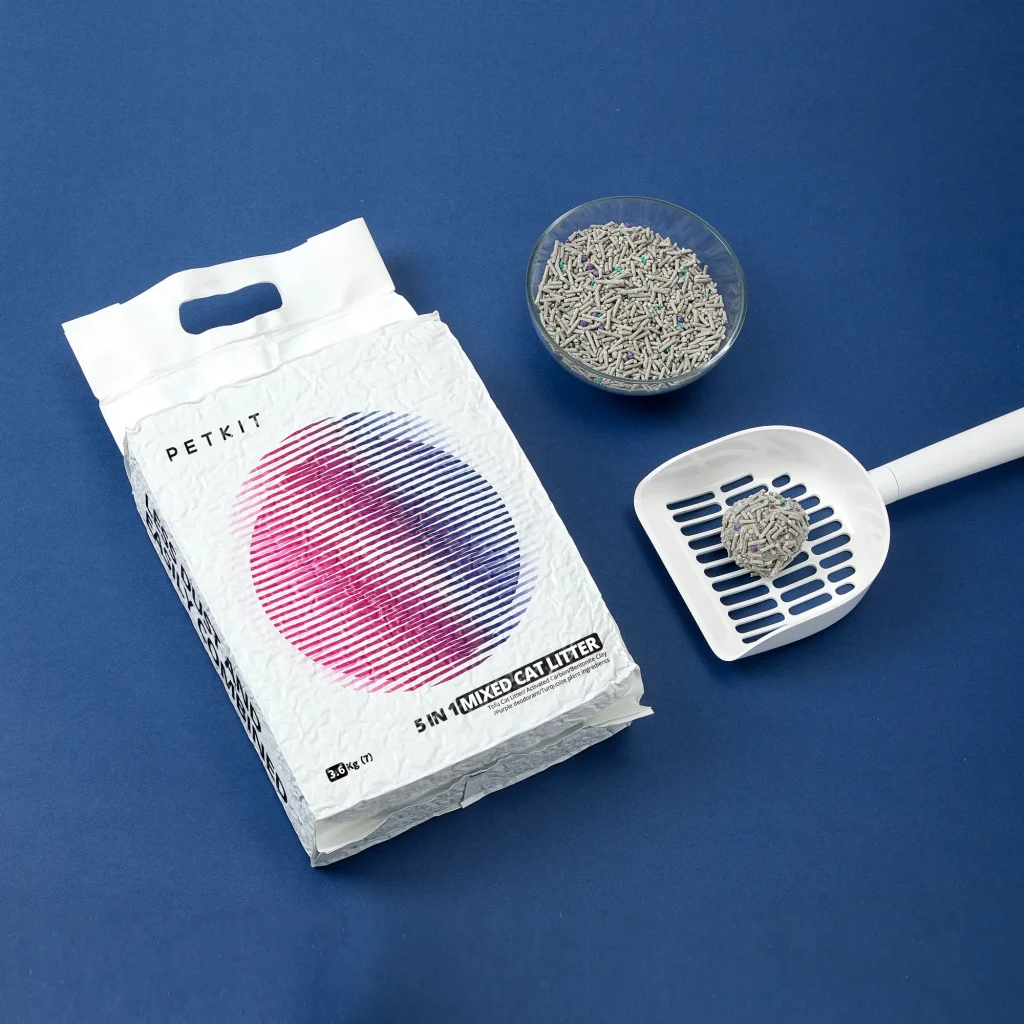
Plant-based cat litter made from corn, tofu, and wood is a greener alternative to clay or silica. Plant-based kitty litter is biodegradable and does not pollute landfills like traditional litters. The organic composition of this litter absorbs moisture and controls odours without artificial additives. Renewable resources lower the carbon footprint of production and offer a more sustainable option for environmentally aware cat owners. Many plant-based litters are lighter than clay, making them easier to handle and dispose of. Biodegradable cat litter lets pet owners keep their cats safe and comfortable while helping the environment.
Natural cat litter can improve your cat’s health. Plant-based litters frequently lack toxic compounds present in clay litters, which can cause respiratory difficulties and allergies in cats. Use a natural litter to avoid exposing your cat to hazardous compounds that can irritate their respiratory systems. Dust-free solutions in eco-friendly options help keep the surroundings clean and are gentle on your cat’s paws, minimising pain. Harsh materials can worsen dermatitis in cats with sensitive skin or allergies. Choosing a natural cat litter reduces your pet’s exposure to dangerous toxins and makes their bathroom routine more enjoyable.
Pet owners seeking eco-friendly kitty litter worry about its environmental impact. Due to extraction, traditional clay-based litters, often derived from sodium bentonite, can destroy habitats and deplete non-renewable resources. Plant-based cat litters, made from recycled paper, wood pellets, or corn, reduce landfill trash. Sustainable solutions help pet owners conserve natural resources and ensure their waste breaks down naturally rather than sitting in landfills for years. Compared to clay litters, plant-based litters have a reduced carbon footprint during manufacture and delivery. Going green with kitty litter fosters a healthier environment and responsible pet ownership by benefiting pets and the world.
Switching to plant-based litter can benefit your pet and the environment. Start by gradually adding plant-based litter to your cat’s standard litter for a smooth transition. Allow your cat to adjust to the altered texture and fragrance by starting with 75% standard litter and 25% plant-based. Over a week or two, gradually increase plant-based litter and decrease standard litter until you complete a full transition. Observe your cat’s conduct during this time; if they seem apprehensive or avoid the litter box, slow the changeover. Some cats prefer certain textures, so try different plant-based litters to discover one that suits them. Consistency in location and cleanliness will help adopt the new litter type. By following these procedures, you can reduce the stress of changing litters and help your cat adjust.
When choosing the most effective plant-based cat litter, you need to think about both what your cat likes and how it will affect the world. Because cats can be sensitive to smell and texture, it’s important to find an eco-friendly cat litter that makes them feel good. Here are some key factors to keep in mind:
You may choose a litter that is beneficial for the environment and your cat by taking these things into consideration.
Making the switch to plant-based cat litter helps the environment and your cat’s health at the same time. We suggest the Petkit 5-in-1 Active Carbon Mixed Tofu Litter as a flexible and very efficient solution. This litter is the ideal option for your environmentally conscious household because it mixes natural tofu with active carbon for excellent clumping, odour control, and low dust.
For more eco-friendly pet care tips, follow us on Facebook and Instagram!
Spot the early signs of FLUTD in cats before it becomes an emergency. Learn the subtle litter box shifts to track at home and how to protect your cat’s health.

Feel guilty working late? Discover 4 simple ways smart pet technology—like automatic feeders and self-cleaning litter boxes—cares for your pet when you can’t.
